Langtang Trek in Autumn
The best seasons to go on this trek are spring and fall because of the tolerable temperatures, weather, and side views. However, there might be some challenges on the journey during the off-season. However, this trek is possible all year round if you are prepared both mentally and physically and have the right equipment.Every season offers unique perspectives and experiences. Before you plan your Langtang trek, you should be aware of these details.
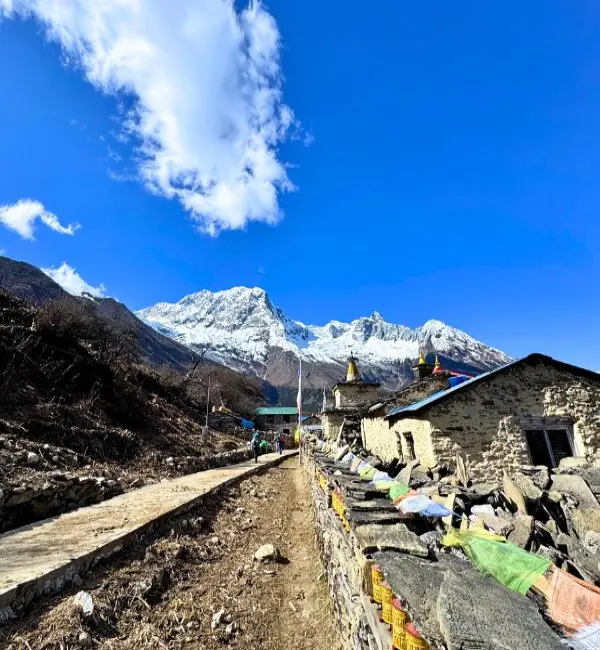
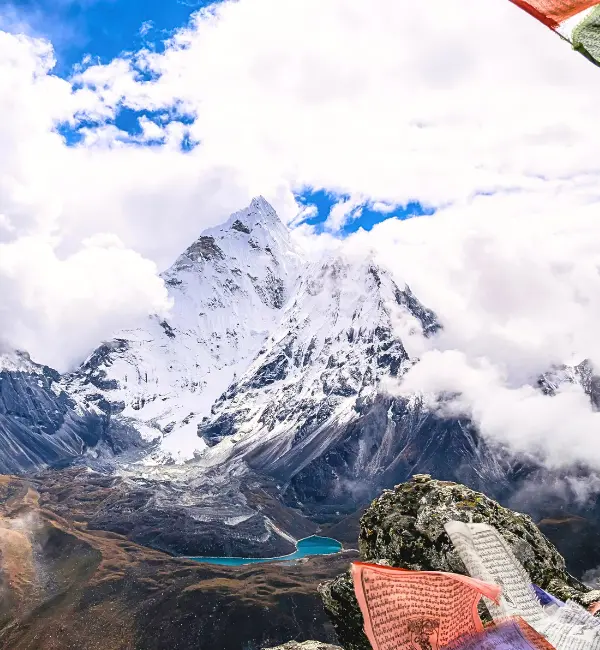
Trekking in Langtang is most enjoyable in the fall. The weather is warm and consistent from September through mid-December. Trekking during this time of year allows you to see clear mountain views, breathe clean air, and stroll beneath breathtaking blue skies.
The temperature ranges from 10°C to 15°C (50°F to 59°F) during the day, though you might feel chilly in the morning and at night. You will make the best trekking memories in such comfortable temperatures and consistent weather.
Additionally, you will have the best views of the Himalayas and stunning valleys because there is little precipitation during this time. The thick fog enveloping the mountains will be less noticeable during these seasons.
You will encounter a lot of other hikers on the trail because this is the busiest time of year for trekking. To get to your destination, you don't have to walk alone.
Langtang trek in Spring
The second-best time of year to go trekking in the Langtang region is from March to May. The long, warm days of this season will appeal to you. The Langtang region experiences daytime temperatures between 10°C and 20°C (50°F and 68°F). Trekking to the Langtang valley will be easy in the moderate weather.
During this time of year, the trail becomes incredibly beautiful. Rhododendron blossoms bring lushness to the forest. Along the route, you will also see a lot of wildflowers. The warm sun and gentle mountain breezes make the hike less taxing at higher elevations.
During this season, you will see the leaves, flowers, and new twigs come to life. The Spring Trek to Langtang offers this revitalizing stroll through the vibrant forests to capture the best mountain views without worrying about rain or snow.
Langtang Trek in Moonsoon Season
June, July, and August are the hot summer months in the Langtang region. The monsoon season begins in the summer along with the heat. On sunny days in the lower regions, the daytime temperature might stay at 30°C (86°F). However, in July, the temperature begins to drop by about 10.2°C (50.36°F) as you go higher.
Leeches, insects, and earthworms may cause the trails to become slick due to the rainfall. On the plus side, though, you will be able to take in the verdant, rain-washed surroundings. For those who enjoy the outdoors, summer in the Langtang region is truly blissful.
Dense fog can occasionally make it difficult to see. However, the season provides the best views of the surrounding landscapes and the mountainscape after the downpour. Additionally, you will have a great experience observing the terraced fields and the working locals in their customs because this is the planting season in several areas of the Langtang region.
Langtang Trek in Winter Season
In the Langtang region, winter lasts from December to February. The region experiences snow and cold at this time, with daytime temperatures ranging from 6°C to 9°C (42.8°F to 48.2°F). However, the nights are considerably cooler, with lows around -10 degrees.
You may explore the Langtang Valley beneath deep blue skies in the winter when it is covered in snow. However, because this is a mountainous area, you could occasionally experience snowfall, strong winds, and unfavorable weather.
The trail will be less busy with fewer hikers because this is not the most popular time of year to walk in this area. For individuals who wish to explore nature and take solitary photos, the Langtang hike in the winter is therefore a better choice.
Tell us what you like about the hike. For the Langtang Trek, we will create the ideal schedule. Additionally, we will reserve a room for you in advance if you let us know when the trek will be most convenient for you.
FAQs
How does the Langtang Valley feel in the winter?
Wintertime temperatures range from 6°C to 9°C (42.8°F to 48.2°F) during the day and from 0°C (32°F) at night. Extreme temperatures, strong winds, and snowfall may occur. Nonetheless, you may see the breathtaking vista of snow-capped peaks and the beautiful blue skies. And it's breathtaking to see the valley covered with thick layers of snow.
Can I go on the Langtang Trek in the winter?
The hike is suitable for you if you can tolerate the cold and the snowy paths in the Langtang area. The season has a lot to offer despite the weather. There are serene walks that offer views of the planet in hibernation. You can choose to go on this walk in the winter if you have the appropriate winter equipment and are mentally and physically prepared.
For a winter hike, do I need crampons or microspikes?
For the winter hike, microspikes are definitely a smart idea. You will need to wear shoes with a firm grip because the track will be covered in a thick layer of snow. It is particularly beneficial when hiking downhill.
Will tea shops remain open in the monsoon and winter?
Indeed, teahouses will be open during the monsoon and winter seasons. If you want to hike during these off-seasons, let us know. We'll assist you in scheduling them for these two seasons.
Will interior heating be available in the winter?
Yes, you can eat and socialize in the heated dining area during the winter. There is no room heating in teahouses. Therefore, it is preferable to bring your own sleeping bags that can withstand -20°C (-4 °F) at night.
What is the differences Langtang treks in the spring and summer?
The weather along the trek path is relatively consistent throughout spring, when the surroundings are dryer. In the spring, the weather in the mountains is quite constant, despite the fact that it is frequently erratic. However, the weather fluctuates a lot during the summer. On the route, you could get pounded by monsoon rain at any time.
Additionally, the vibrant colors of red, blue, yellow, pink, and white flowers can be found on the Spring Trek. On the other hand, summer provides a verdant environment throughout the trial.
When hiking in the summer or monsoon, would there be leeches on the trail?
Yes, you may come across a lot of leeches, earthworms, and insects on the paths in the Langtang region because of the intense rains and the damp environment. Therefore, it is a good idea to have mosquito repellant if you are planning a monsoon trip. Additionally, keep some salt on hand to remove leeches off your skin.
Have you determined the ideal time for you to embark on the Langtang trek? You are free to choose from our recommendations. Please don't hesitate to get in touch with us if you have any questions or need assistance organizing your trip to Nepal.